
Introduction to the F6K-ZOP3.2.03.5 Model
The F6K-ZOP3.2.03.5 model represents a significant advancement in the landscape of modern technology. Emerging from a rigorous framework aimed at optimizing operational efficiencies across various sectors, this model was developed to address the complexities of contemporary challenges, particularly in dynamic environments requiring agility and innovation.
Initially conceptualized by a team of researchers and industry experts, the F6K-ZOP3.2.03.5 model serves as a roadmap for organizations seeking to foster innovation while maintaining operational stability. Its primary purpose is to streamline processes and enhance collaboration among teams, ultimately leading to accelerated project timelines and improved outcomes.
What distinguishes the F6K-ZOP3.2.03.5 model from its predecessors is its holistic approach that incorporates unique features, such as adaptable frameworks and data-driven decision-making tools. By integrating these components, businesses can better align their strategic objectives with the practical execution of projects. This integration further allows organizations to adapt to market shifts and technological advancements swiftly.
Moreover, the model showcases its potential applications in diverse sectors, including software development, engineering, and project management. Its versatility enables companies to customize the model according to their specific requirements, fostering a culture of innovation while achieving measurable returns on investment. As businesses continue to navigate a rapidly evolving technological landscape, the F6K-ZOP3.2.03.5 model stands out as a crucial asset for driving transformative initiatives and securing a competitive edge.
Key Features and Specifications of the F6K-ZOP3.2.03.5 Model
The F6K-ZOP3.2.03.5 model stands out in modern technology for its robust performance and innovative features. At its core, this model is built with a powerful processing unit that significantly enhances computing capabilities. It operates on a state-of-the-art architecture designed to optimize energy efficiency while sustaining high performance in various applications, making it ideal for both professional and consumer tech environments.
One of the hallmark specifications of the F6K-ZOP3.2.03.5 model includes an exceptional clock speed, which ensures seamless multitasking and fast computations. This processing speed is complemented by an advanced cooling system that prevents overheating, thereby maintaining optimal performance during intensive tasks. The model is also equipped with a substantial amount of RAM, facilitating smooth operation even with resource-intensive applications.
In terms of design, the F6K-ZOP3.2.03.5 boasts a sleek and modern aesthetic, allowing it to fit seamlessly into various settings, from corporate offices to home workstations. It is compact yet robust, containing durable materials that contribute to its longevity. Additionally, the interface features have been streamlined to offer an intuitive user experience, enabling quick access to settings and functionalities.
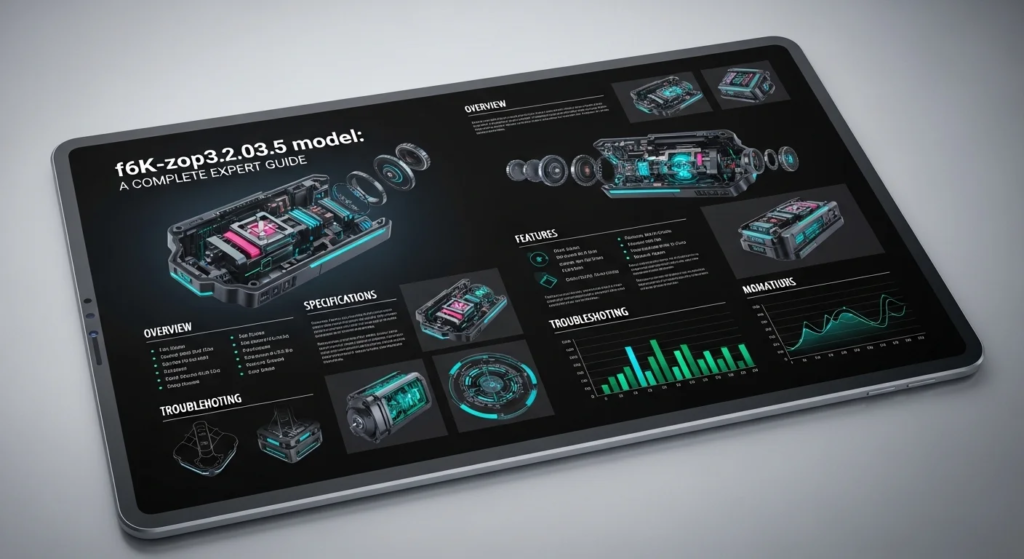
Operational capabilities of this model are notably versatile. The F6K-ZOP3.2.03.5 supports a range of connectivity options including Wi-Fi, Bluetooth, and various ports for peripheral devices, granting users the flexibility to connect to a multitude of devices and networks. This adaptability makes it a suitable choice for users in diverse sectors such as education, design, and software development.
The F6K-ZOP3.2.03.5 model has brought transformative advancements across various industries, significantly enhancing operational efficiencies and fostering innovation. In the manufacturing sector, for instance, the model facilitates streamlined processes through advanced automation and data analytics. By deploying predictive maintenance strategies, manufacturers can reduce downtime and enhance productivity. Companies implementing this model have reported substantial cost savings and improved product quality.
In the healthcare industry, the F6K-ZOP3.2.03.5 model is instrumental in optimizing patient care and resource management. Through data integration and analysis, healthcare providers can gain insights into patient outcomes and operational performance. For example, hospitals utilizing this model report better patient tracking systems that reduce wait times and enhance treatment protocols. Moreover, the model supports telemedicine initiatives, enabling healthcare access to remote populations and thereby improving the overall efficiency of care delivery.
Similarly, in the information technology sector, the F6K-ZOP3.2.03.5 model plays a fundamental role in fostering innovation and improving service delivery. With the increasing reliance on cloud computing and big data analytics, organizations are turning to this model to enhance their IT frameworks. By adopting the model, businesses can ensure greater cybersecurity measures and efficient data management practices. Examples include companies that harness the model’s capabilities to develop scalable solutions, accommodating the rapid technological changes inherent in today’s digital landscape.
The impact of the F6K-ZOP3.2.03.5 model is profound, as it not only augments productivity and efficiency across industries but also encourages a culture of continuous improvement and innovation. As various sectors adopt this model, the potential for increased profitability and enhanced services will continue to expand, making it a cornerstone for modern technological advancements.
Future Prospects of the F6K-ZOP3.2.03.5 Model
The F6K-ZOP3.2.03.5 model stands at the forefront of innovative technology, and its future prospects appear vast and transformative. As industries increasingly lean towards automation and advanced data analytics, the integration of this model is likely to enhance operational efficiencies significantly. One of the primary areas where the F6K-ZOP3.2.03.5 model is expected to make a noticeable impact is in artificial intelligence and machine learning applications. By leveraging its capabilities, organizations can expect to achieve higher precision in predictive analytics and optimize decision-making processes.
Moreover, the F6K-ZOP3.2.03.5 model is poised to foster advancements in the Internet of Things (IoT) sector. Its adaptability and efficiency could lead to smarter infrastructure, integrating seamlessly with IoT devices to facilitate real-time data processing and increased interconnectivity. This convergence of technologies could revolutionize sectors such as healthcare, transportation, and supply chain management, where timely information flow is critical.
However, the journey towards realizing the full potential of the F6K-ZOP3.2.03.5 model is not without challenges. Concerns regarding security and data privacy will need to be addressed as more businesses adopt this innovative model. Ensuring that robust cybersecurity measures are in place will be imperative as reliance on technology increases. Furthermore, there may be a learning curve associated with implementing such a comprehensive model, necessitating adequate training and resources for personnel.
In conclusion, the F6K-ZOP3.2.03.5 model not only promises to enhance technological capabilities but also demands a balanced approach to address the emerging challenges. As we move forward, its role in shaping a more innovative landscape will undoubtedly be significant, marking a pivotal shift in how we leverage technology for enhanced performance and productivity.
